Garden visit
Bamboo and tea
Hokokuji on the east side
- Hours9:00 to 16:00
- Entry400 yen
- Matcha600 yen
Guides
Language
Currency
Check open daysstarting at $51 · plans can change freeWhere things are
44 places to see
Choose an area, then touch a pin or a name for a short note and directions.
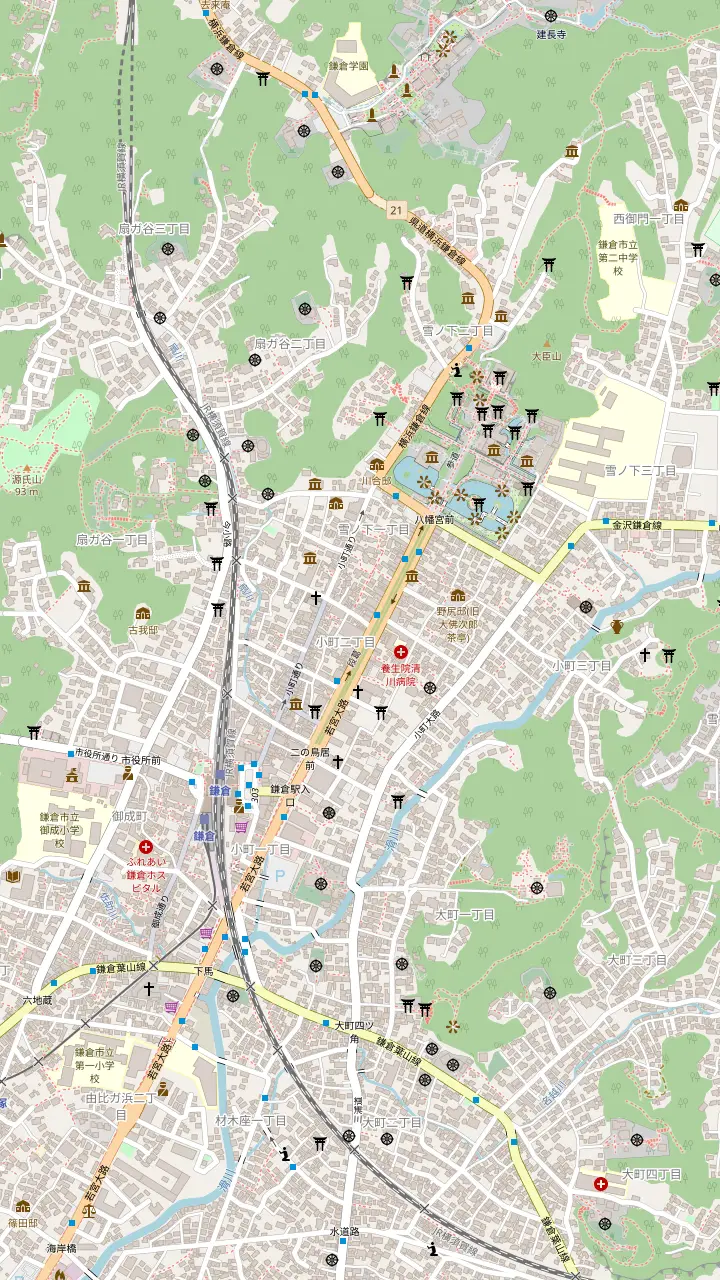
JR Kamakura Station: the shrine is a 10-minute walk from its east exit.
Starts 2 minutes on foot from the east exit and runs to the shrine, with about 250 shops.
Google MapsA straight 2 km pathway from Yuigahama Beach to the shrine, modeled on Suzaku Oji in Kyoto.
The Genji Pond has three islands and the Heike Pond four; lotus blooms here in summer.
Shrine moved here by Yoritomo in 1180; the gate is open 6:00 to 20:00 all year.
Google MapsMuseum opened in 2019; open 10:00 to 16:30 and closed on Mondays.
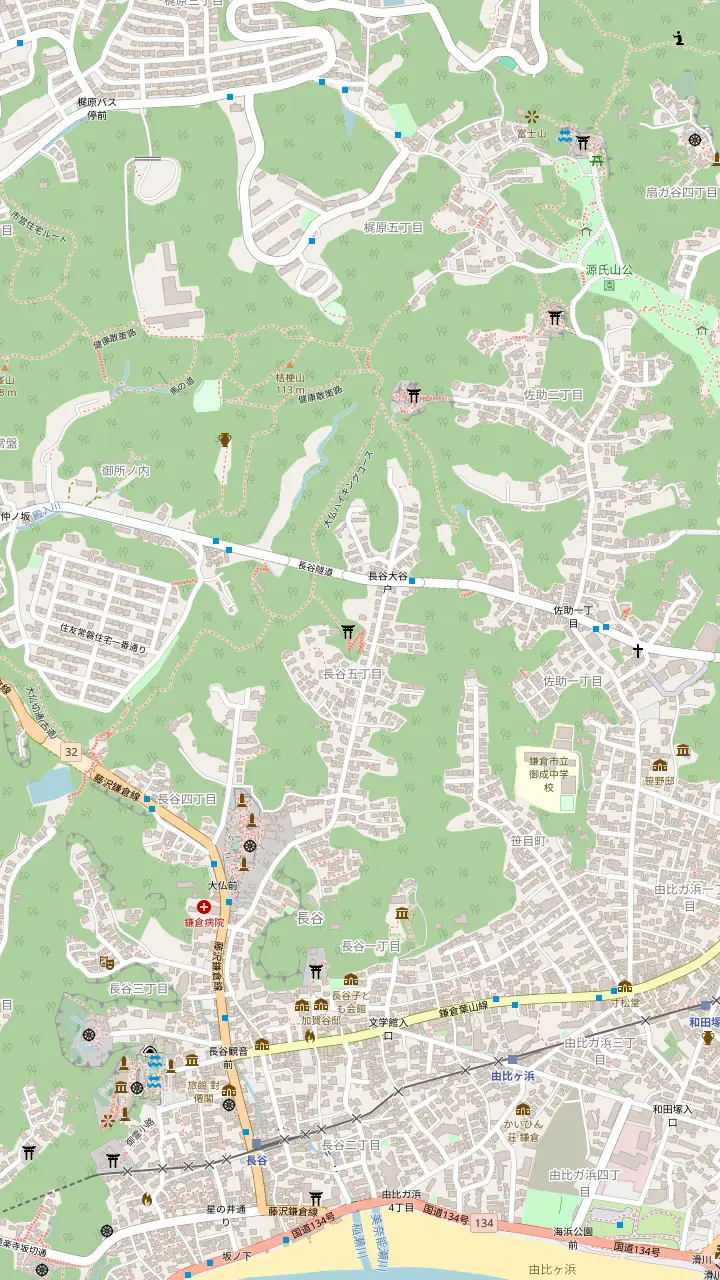
Enoden stop; the Great Buddha is a 7-minute walk and Hasedera Temple a 5-minute walk.
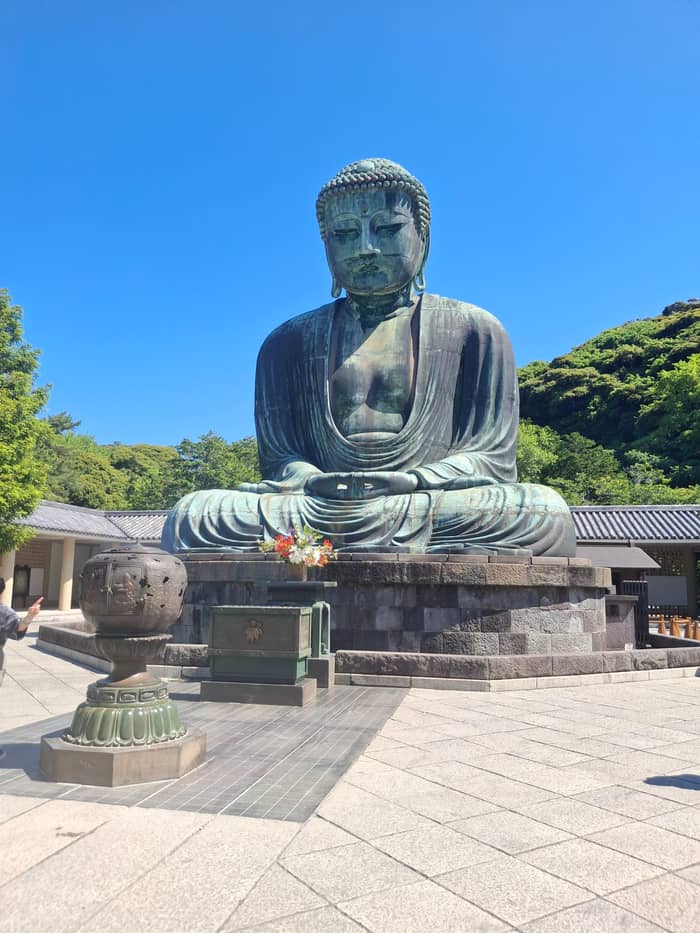
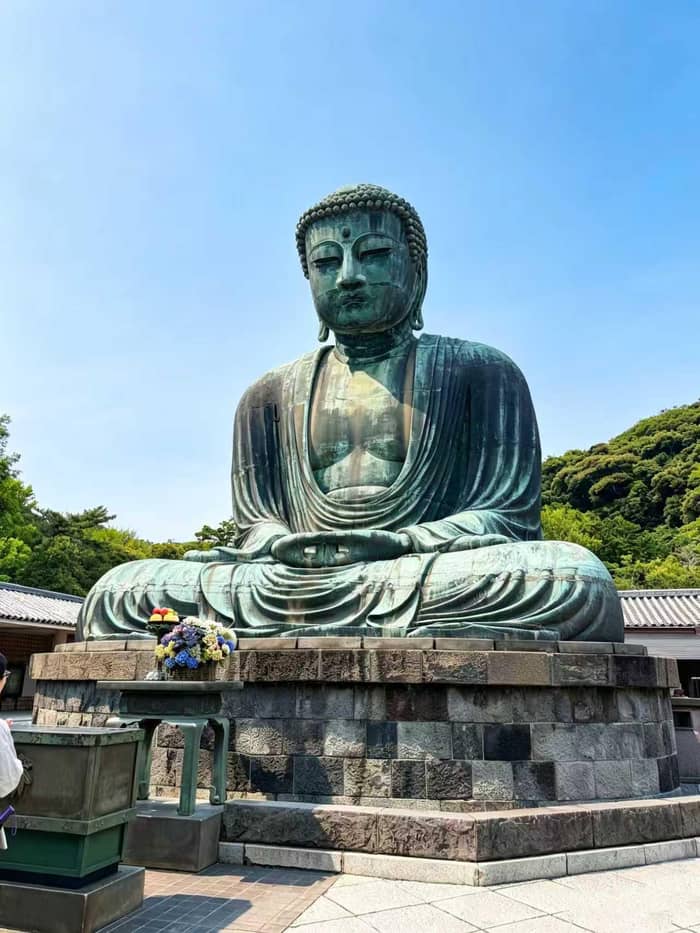
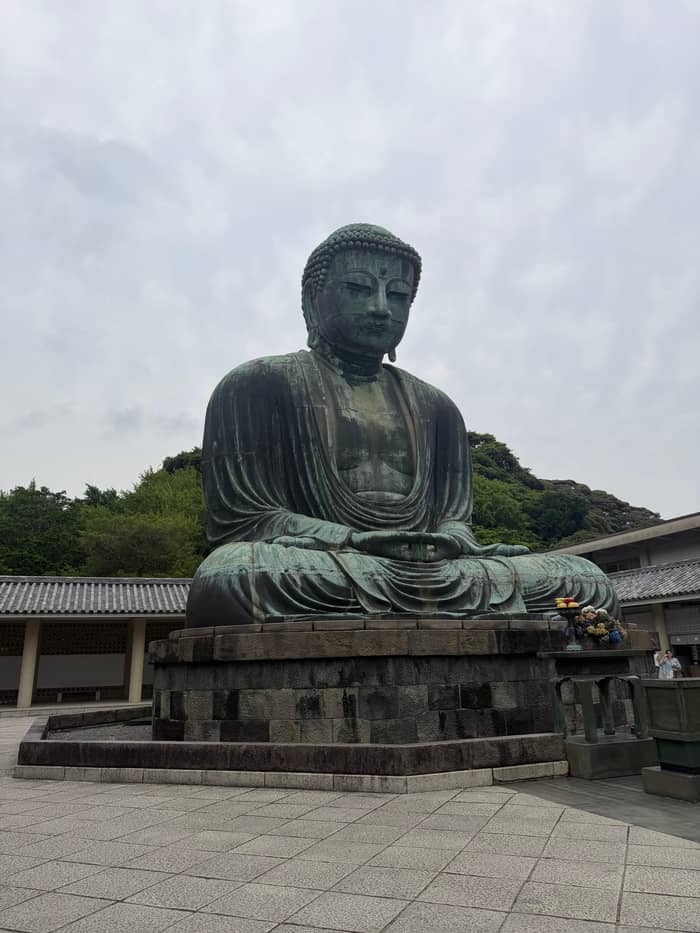
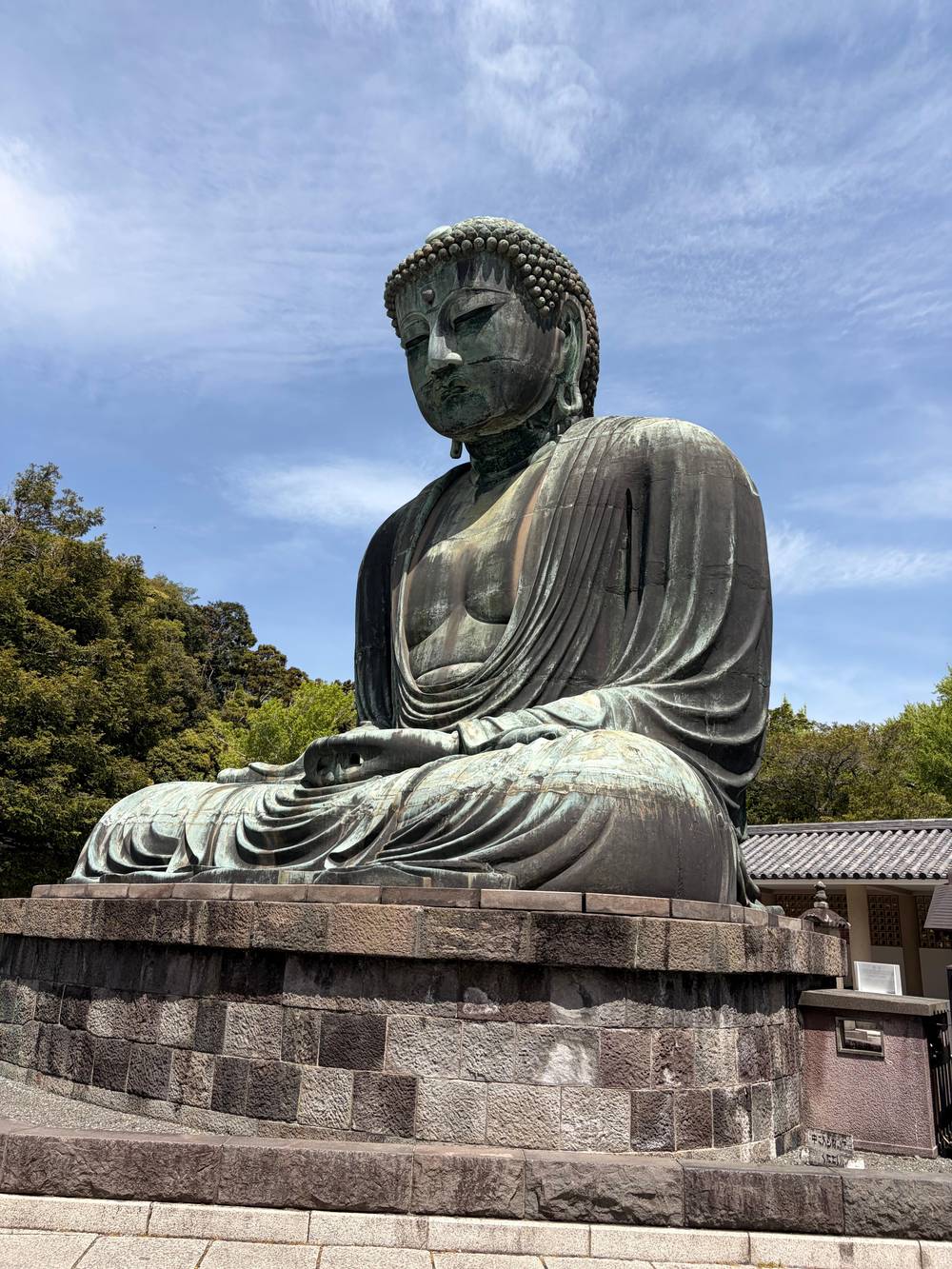
The Great Buddha sits in the open air, a National Treasure about 11.3 meters tall.
Google MapsEleven-headed Kannon, 9.18 meters tall, with a sea-view platform on the upper ground.
Google MapsA spring where crowds wash money; a 20-minute walk from Kamakura Station.
Reached through dozens of red-bannered torii gates and a flight of stairs.
Enshrines the court noble Hino Toshimoto, who died in 1332; 25 minutes on foot from Jochiji.
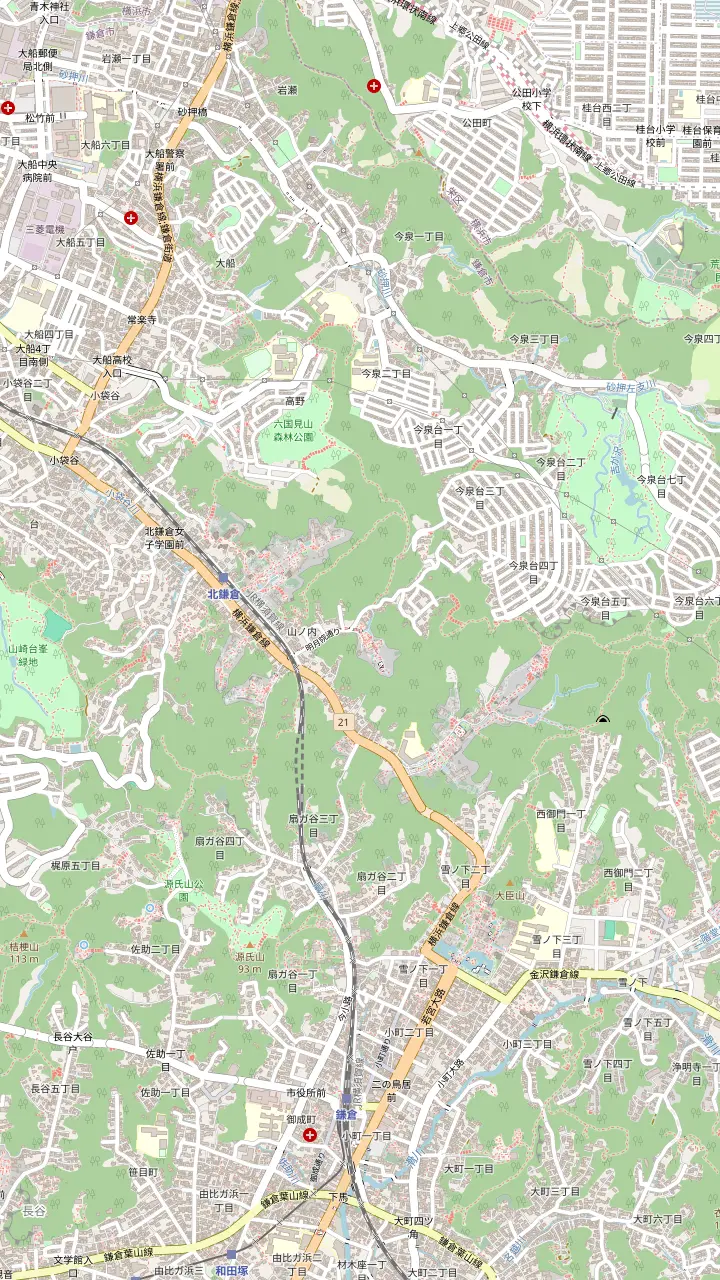
Station for Engakuji, a 1-minute walk away, and for Jochiji.
Founded in 1282; open 8:30 to 16:30 from March to November, admission 500 yen for adults.
Built in 1281; open 9:00 to 16:30, admission 200 yen for adults.
About 2,500 hydrangeas draw visitors to the Kita-Kamakura temples in June.
Ranked first among the Kamakura Gozan; open 8:30 to 16:30, adults 500 yen, cash only.
About 240 steps up from the temple grounds, lined with tengu statues.
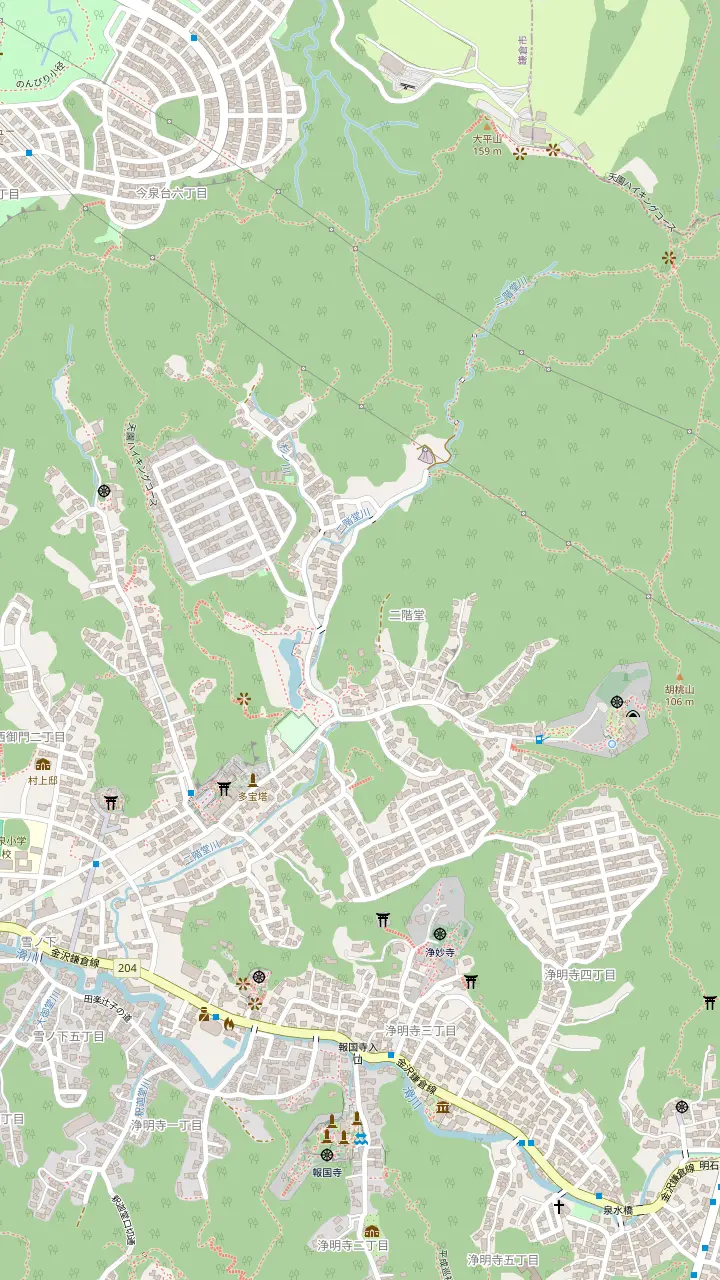
Bamboo garden open 9:00 to 16:00; admission 400 yen, matcha 600 yen.
Rock garden and matcha; open 9:00 to 16:30, adults 100 yen.
A shortcut entrance that climbs about 20 minutes to the Imaizumidai junction.
The highest point of the course at 159.2 m; its one toilet is about five minutes below.
The Tenen course ends at its gate; the stone garden is a Place of Scenic Beauty.
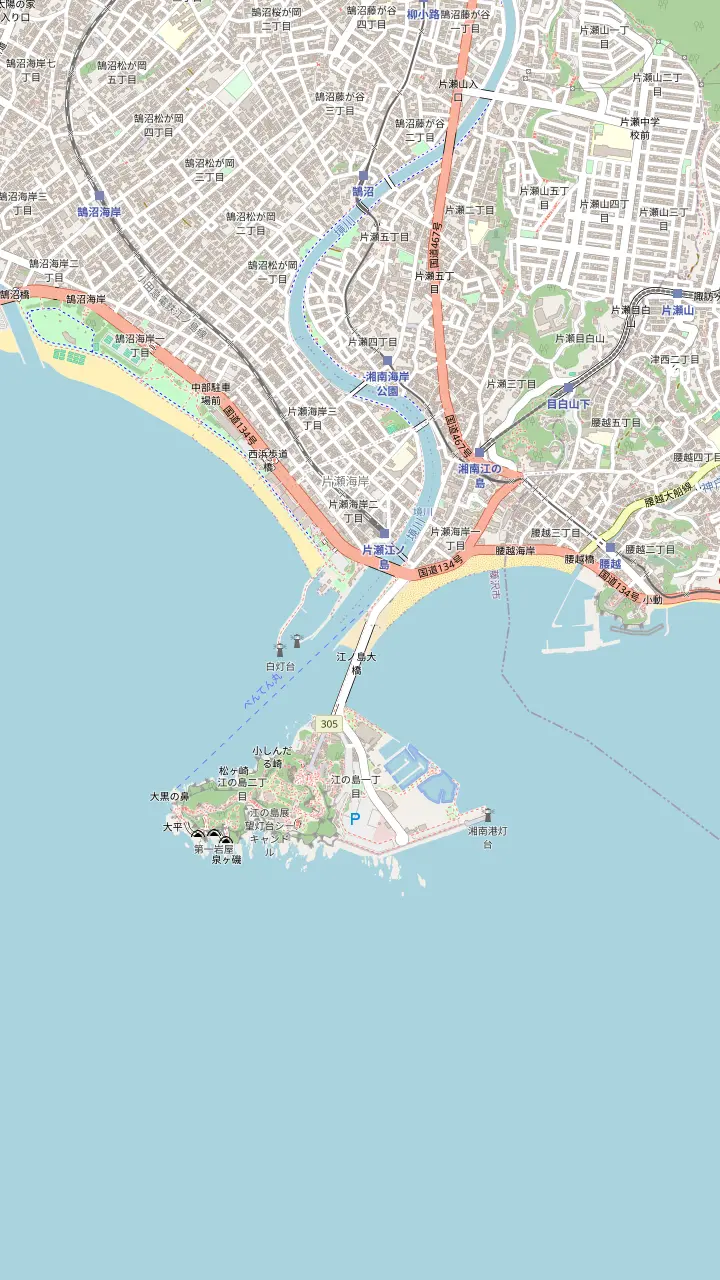
The Odakyu station; the garden is about 20 minutes on foot from here.
Google MapsThe Sea Candle site gives about 25 minutes on foot from here.
Google MapsThe bronze torii stands just past the bridge, and the Benten-maru boat leaves from its foot.
Three shrines make up Enoshima Shrine, first built in 552; the Hoanden hall costs 200 yen for adults.
Google MapsJapan's first outdoor escalator, opened in 1959; a ticket for all sections costs 500 yen for adults.
Google MapsThe tower is 59.8 meters tall and costs 800 yen for adults; the Samuel Cocking Garden around it is free until 17:00.
The third of the three shrines that together form Enoshima Shrine.
Two caves, 152 meters and 56 meters deep, open 9:00 to 17:00 and 500 yen for adults.
A bright light over Enoshima is said to have saved the monk Nichiren here in 1271.
Built as the sailing venue for the 1964 Tokyo Olympics, with around 1000 yachts moored.
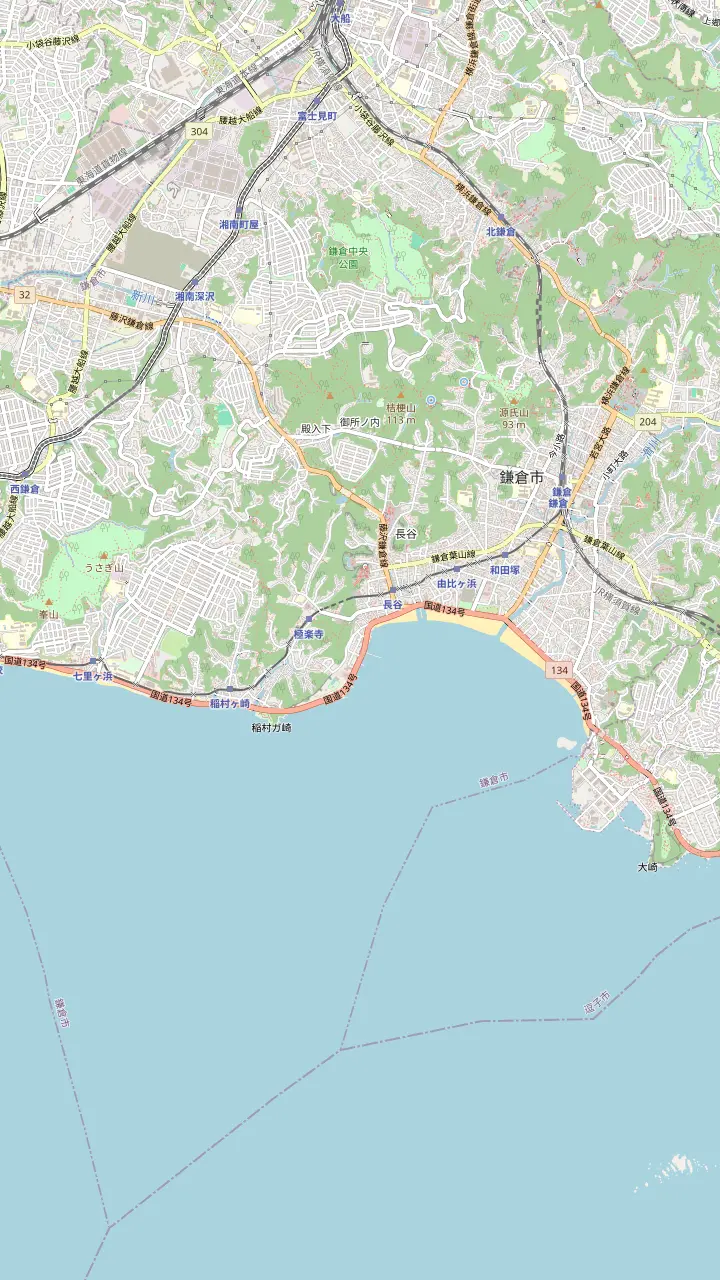
Slightly less crowded than Yuigahama, with a two-minute walk from the Zaimokuza bus stop.
A 15-minute walk from Kamakura Station and 5 minutes from Hase Station.
An Enoden station within 5 minutes on foot of Yuigahama, like Yuigahama and Hase stations.
A cape between Yuigahama and Shichirigahama, free to visit; about 30 minutes is enough.
Popular with surfers throughout the year and known for Mount Fuji views at sunset.
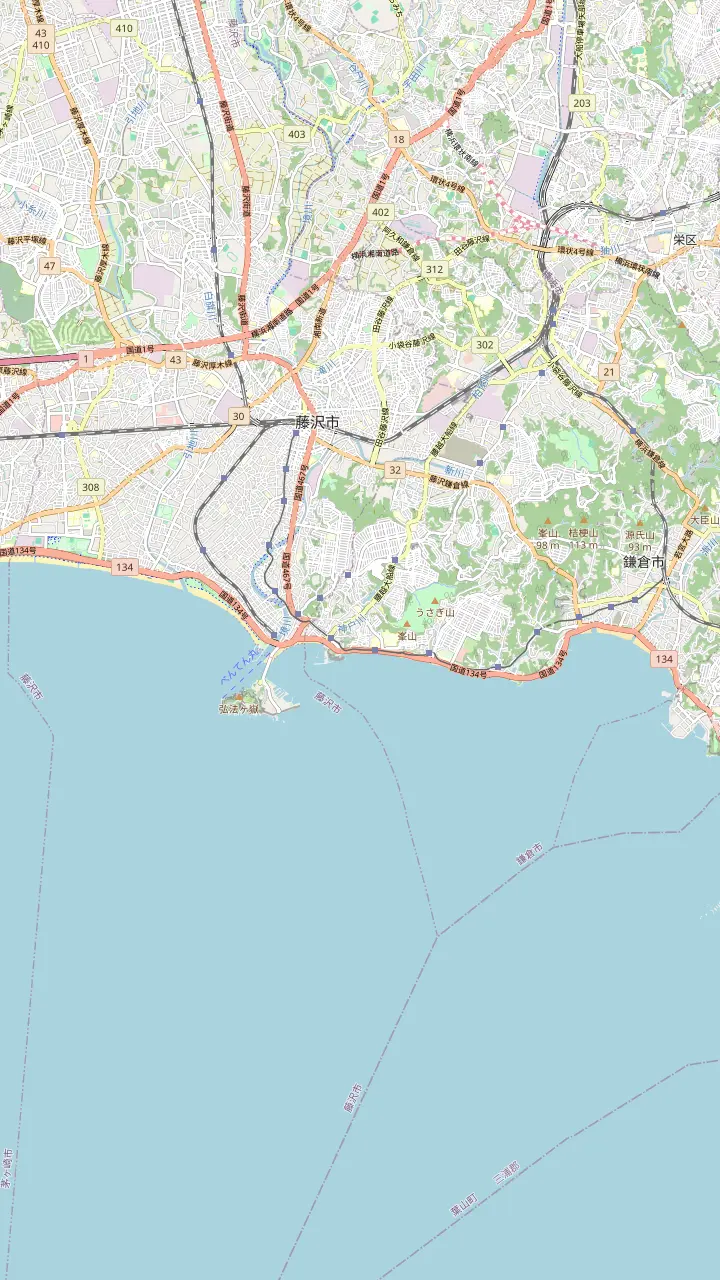
A coastal area that, like Yuigahama and Shichirigahama, draws large numbers of tourists.
Next station along; staff are on hand only from 9:00 to 18:00.
Unmanned station EN08 beside the railway crossing; no restrooms.
A three-minute walk from Koshigoe Station; the harbor shop sells fresh fish.
In 2026 open for swimming from July 1 to September 6; the Tenno-sai sea procession began here at 11:00.
In 2026 open from July 1 to September 13; the Enoshima fireworks were launched from here at 19:40.
Base map: © OpenStreetMap contributors (ODbL)
The Kamakura bamboo forest at Hokokuji is a quiet garden, and the Zen temples of Kita-Kamakura are a short train ride away. Here are the hours, prices and routes for each.
Editorial team, kamakuradaytrip.quest · Updated November 1, 2026 · A 7-minute read
Facts first
The Kamakura bamboo forest is a garden behind the main hall of Hokokuji, a Zen temple on the east side of town. The temple's own guide says the garden holds about 2,000 bamboo plants along with seasonal flowers.7 The bamboo is a variety known as moso, and the temple says the retreat of the monk Tengan Eko was here and forms the present garden.8 Light slips between the stalks and the path stays shaded, which is what draws people to it.
Hokokuji is a Zen temple of the Kenchoji order of the Rinzai sect. It was established by Tengan Eko in 1334 to commemorate Ashikaga Ietoki, the grandfather of the first Ashikaga shogun.9 The garden lies behind the main hall. Beyond the bamboo, the temple's own visitor page points to a dry landscape garden of raked sand, moss on the stones along the approach and an old bell tower, so the visit has more to it than one grove. The place is compact, and it does not need a long visit.
The temple asks for good manners. Visitors are requested to stay quiet, not to use camera tripods, not to eat or drink inside and not to bring pets, guide dogs excepted.10 If photography is the goal, plan on a handheld camera and patience rather than gear. The temple says the bamboo looks different with the season, the weather and the hour, so a wet morning and a bright afternoon give you quite different gardens.
Temple by temple
| Temple | Hours | Adult fee | Getting there |
|---|---|---|---|
| Hokokuji | 9:00 to 16:00 | 400 yen | 12 minutes by bus |
| Jomyoji | 9:00 to 16:30 | 100 yen | From Kamakura Station |
| Jochiji | 9:00 to 16:30 | 200 yen | Kita-Kamakura Station |
| Engakuji | 8:30 to 16:30 | 500 yen | 1 minute on foot |
| Kenchoji | 8:30 to 16:30 | 500 yen | 5 minutes by bus |
From the temples' own pages and Visit Kanagawa; Engakuji closes at 16:00 from December to February.1,6,13,11,5,15,14
Hokokuji is open from 9:00 to 16:00. It closes from 29 December to 3 January and may close in bad weather.1 Admission to the bamboo garden is 400 yen for high school students and older and 200 yen for elementary and junior high school children.2 These prices are the temple's own and are paid at the entrance desk. This is the Hokokuji bamboo grove in Kamakura that photographs show, seen from a seat. Buy the matcha ticket at the same time as your admission if you want tea, and expect to be seated in the tea room while you drink, looking out at the stalks.
The tea room, Kyukoan, serves matcha while you look at the bamboo, and its ticket desk is open from 9:00 to 15:30.16 A matcha with dry Japanese sweets costs 600 yen, on top of admission, and the last order is at 15:30. The sweets come with the tea, so there is nothing else to order.3 Arrive well before the end of the afternoon if the tea is a priority. The matcha window closes half an hour before the garden does.
On Sunday mornings the temple holds a zazen meditation session from 7:30 to 9:15.17 That is an option if you are staying in Kamakura and want to see the temple before the day-trip crowds. For everyone else, the garden itself is the draw. Treat it as a pause in the day, not a checklist item, and sit with the tea rather than rushing to the next stop.
The temple lists Tokyo Station about 60 minutes from Kamakura on the JR Yokosuka Line, Shinagawa about 50 minutes and Shinjuku about 53 minutes on the Shonan-Shinjuku Line.20 From Kamakura Station, Hokokuji is about 7 minutes by taxi, or about 12 minutes by Keikyu bus to the Joumyoji stop followed by a 3-minute walk.15
The taxi is the quicker route. The temple lies on the east side of town, away from the Great Buddha and Hase-dera, and pairs naturally with the shrine. Jomyoji, a temple whose district gives the bus stop its name, is nearby and shares the area, and the pair makes a natural stop. Jomyoji is open from 9:00 to 16:30, and adult admission is 100 yen, with a rock garden and matcha on offer.6 If your day allows a second stop in this part of town, that is the one to add.
There is a small car park, but the temple says that when it is full you should use a nearby paid car park.15 On a day trip by train and bus you will not need it, and the walk from the stop is short. If you take a guided tour, check that the bamboo garden is a listed stop: one four-hour listing names the Hokokuji bamboo forest between Hase-dera and Tsurugaoka Hachimangu.
Decision helper
Pick by why you came
If I want the bamboo and a cup of tea
Hokokuji
The garden has about 2,000 bamboo plants and a tea room serving matcha.7,16
If I want the great Zen temples
Kenchoji and Engakuji
Kenchoji ranks first among the Gozan, and Engakuji holds a national treasure bell.18,19
If My time is short
Engakuji
It is a 1-minute walk from Kita-Kamakura Station.4
If I want a low-cost stop
Jomyoji
Adult admission is 100 yen and the temple offers a rock garden and matcha.6
If I want to meditate
Sunday zazen at Hokokuji
The session runs 7:30 to 9:15 on Sundays.17
Kinds of visit
Garden visit
Hokokuji on the east side
Walking day
Engakuji and Kenchoji
Small temple
Jochiji in Kita-Kamakura
Kita-Kamakura is the station for the northern Zen temples, and Engakuji is the first of them: a 1-minute walk from Kita-Kamakura Station on the JR Yokosuka Line.4 It was founded in 1282 by the regent Hojo Tokimune with the Chinese master Mugaku Sogen as founding abbot.39 The grounds follow a valley, and the path climbs gradually from the main gate through the Buddha hall to the abbot's quarters.77
Engakuji is open from 8:30 to 16:30 from March to November and 8:30 to 16:00 from December to February, with no regular closing day.11 Admission is 500 yen for adults and 200 yen for children.12 Its great bell is 259.5 cm tall, the largest in the Kanto region, and a national treasure given in 1301.19 The Shariden holds a relic known as the Buddha's tooth and is also a national treasure.78
Jochiji is a smaller temple in the same neighborhood. It was built in 1281, holds the Kanro no I well, one of the Ten Kamakura Wells, and is open from 9:00 to 16:30, with admission of 200 yen for adults.13 Its access point is also Kita-Kamakura Station. A hall at Engakuji honors the Benzaiten of Enoshima, whose protection is said to have let the great bell be cast, a thread that links the temple to the island on the coast.79
Cost calculator
Type how many travelers you are and see three bamboo-and-temple days priced.
Weigh up 3 choices
Type how many travelers you are and see three bamboo-and-temple days priced.
≈
View≈
View≈
ViewStarting prices from GetYourGuide, converted at the ECB reference rate; the booking page shows the exact sum.
A Zen temple day
Start
Engakuji is a 1-minute walk from here.4
First temple
Next stop
A small temple built in 1281, 200 yen for adults.13
Mid-day
A 5-minute bus or about 15 minutes on foot from the station.14
Afternoon
About 12 minutes by bus from Kamakura Station plus a short walk.15
Before 15:30
Last order for matcha is at 15:30.3
Kenchoji is ranked first among the Kamakura Gozan, and Visit Kanagawa notes its many old buildings and a temple bell designated a national treasure.18 The bell was cast in 1255, and the temple describes itself as the first in Japan to be called a Zen temple.80 At its height it had about 1,000 monks, more than 400 branch temples and 49 sub-temples.81
Kenchoji is open from 8:30 to 16:30, and admission is 500 yen for adults and 200 yen for children, cash only.5 From Kita-Kamakura Station it is a 5-minute bus ride or about a 15-minute walk.14 The temple notes that hikers who enter the hills through its grounds also pay the admission fee, which matters if you plan to continue on a trail.82
Taking Engakuji, Jochiji and Kenchoji together makes a walking day along the same line of valleys, and none of them needs a booking. Each has its own character: Engakuji is the one with the relics and the bell, Jochiji the small garden temple, Kenchoji the great complex of halls. Adult fees at the three are 500 yen, 200 yen and 500 yen.12,13,5 If you want to add the bamboo garden, treat it as a separate trip to the east side.
Video
emma vlogs on YouTube · YouTube stays silent until you press play.
A variety of bamboo known as Mōsō grows here. Tengan Ekō's retreat was here and forms the current bamboo garden.
Checklist
The simplest plan has a northern half and an eastern half. Take the train to Kita-Kamakura for Engakuji, Jochiji and Kenchoji, then go back to Kamakura Station and head east for Hokokuji and its tea room. Remember the closing times: Hokokuji shuts at 16:00 and its matcha stops at 15:30, while Engakuji's visiting hours end at 16:30 from March to November and at 16:00 from December to February.1,3,11
If you would rather not plan, a guided option helps. One small-group listing walks four temples with matcha and calligraphy, limited to 6 participants, and takes 6 hours. The day trip this site sells lists temple tickets in its title and takes 9 to 9.5 hours, from $51. Check the stops before you book: a title can promise more than the route visits.
Whatever you choose, carry yen in cash; Kenchoji takes cash only.5 Dress for walking and for sitting on your heels if you try zazen. Come early in the day and leave the busiest sights for the afternoon. The temples are active places of practice, so quiet voices and tidy manners go a long way, and the guidance each temple posts at the gate is worth following.
FAQ
Hokokuji is closed from 29 December to 3 January and may close in bad weather.1
About 7 minutes by taxi, or about 12 minutes by Keikyu bus plus a 3-minute walk.15
That is the temple's own figure for the garden behind the main hall.7
The Sunday session runs 7:30 to 9:15 in the morning.17
The listed stops are Tsurugaoka Hachimangu, Komachi Street, Hase-dera, Kotoku-in and Enoshima.
Sources
Questions about the Kamakura trip? We reply in minutes.